

A clock, not a mood meter
BPM measures beats per minute. At 120 BPM a quarter-note beat lasts half a second. That is a useful coordinate for arranging and mixing, but it cannot describe how busy a piece feels. A sparse arrangement at a fast tempo can feel spacious, while rapid subdivisions can make a slower track feel urgent. Treat the number as a reference and ask which layer is establishing the pulse. Sometimes listeners naturally follow a half-time or double-time interpretation.
Subdivisions change the surface
A steady kick with quarter-note chords creates one kind of movement. Add eighth-note hats and the texture becomes more active. Sixteenth-note percussion increases the number of events without changing the underlying BPM. Density has limits: every additional transient competes for attention. In a small sketch, introduce a busy percussion layer for four bars and remove it for four. The contrast can create a convincing lift even if the volume and tempo never move.
The shape of a sound affects its pace
A sharp attack reads differently from a soft swell. Long bass notes connect events, while shorter notes expose the spaces between them. This can make a groove feel more articulated without speeding it up. Try shortening only the bass notes and listen again. Then restore their length and shorten the chords. These changes have different consequences because the parts occupy different rhythmic and frequency roles. A tempo slider cannot substitute for those choices.
A practical comparison
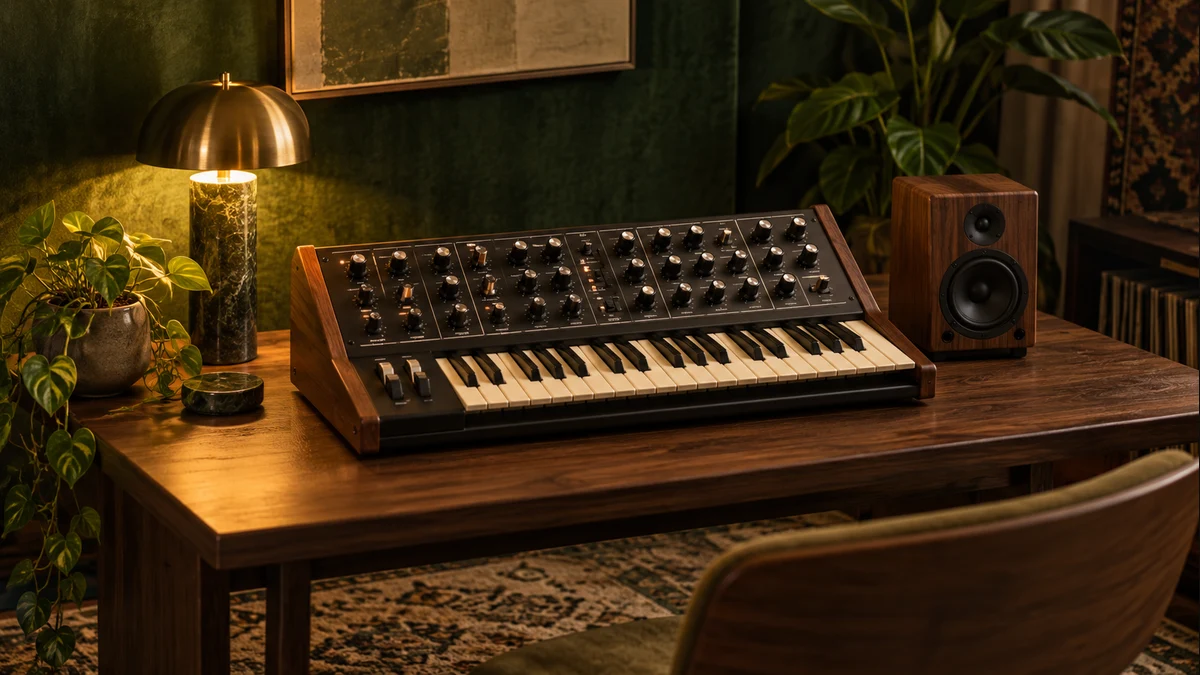
In the Synth Lab, keep BPM fixed and move Pulse intensity from low to high. Compare the percussion rather than the overall loudness. Next, lower the tempo but keep the more active percussion. Describe the result with specific words: busier, heavier, more open, more insistent. Those observations are more useful than simply saying faster. When planning a DJ sequence, compare perceived energy alongside tempo so the transition makes sense to an audience.
Use tempo with intention
There is no universally correct BPM for a mood. Choose a tempo that leaves enough room for the bass phrase and any vocal idea. Test the groove at a lower playback level; if its identity disappears, it may depend too heavily on loudness. Keep notes about what changed and adjust one variable at a time. A strong rhythm is often the result of a few clear relationships, not the highest number on the display.
Further exploration
For a technical explanation of browser sound generation, see the MDN Web Audio API documentation. These field notes are practical listening exercises, not a comprehensive history or rigid definition of a genre.
Technical background
- Ableton Learning Music: beat and tempo — Beat, pulse and BPM foundations.
Original 51ROUSI editorial content. How we write and review · Suggest a correction