Change the question
When a piece has no obvious drop, asking when something will happen can hide what is already happening. Ask instead how a sound changes over time. A pad may become brighter, a chord tone may fade later than the others, or a low texture may move slowly beneath a stable surface. You can listen actively without trying to identify every instrument. Choose one small feature and follow it for thirty seconds.
Hear the envelope
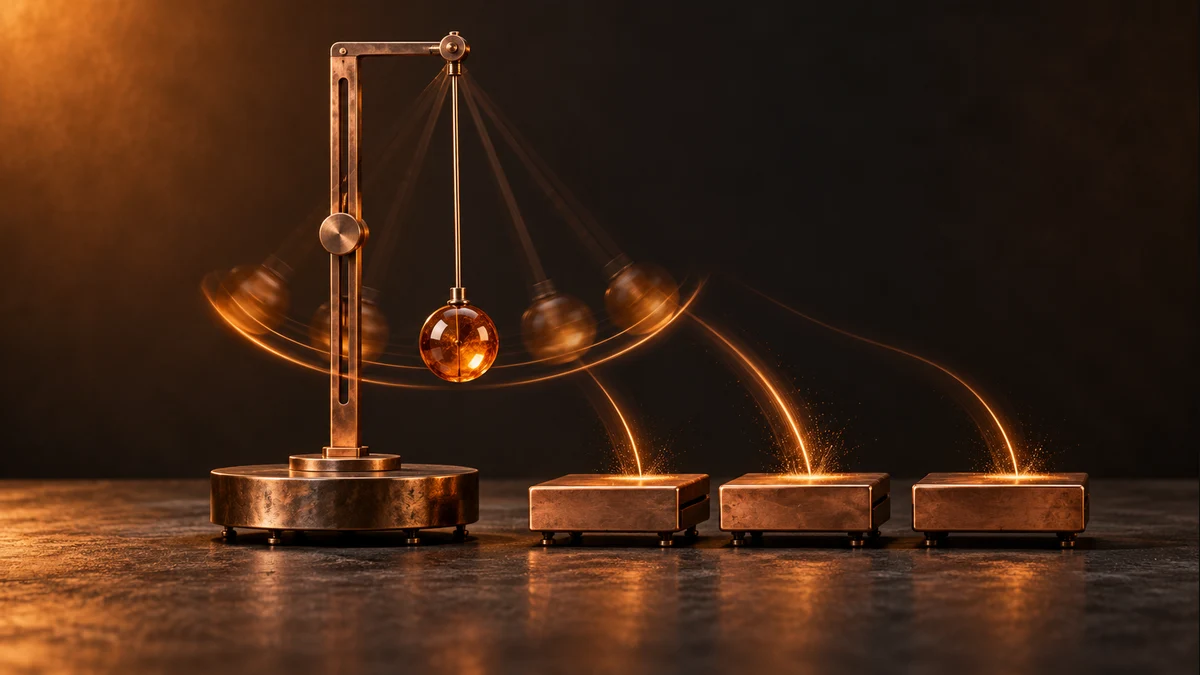
Every sound has a beginning and a decay, even if those boundaries are blurred. A slow attack removes the sharp cue that usually tells us exactly when a note starts. A long release overlaps the next event. Together, those choices can create an impression of continuity. In Soft Orbit, listen for the point where one chord appears to become the next. The uncertainty is part of the texture, rather than a missing beat.
Space is an arrangement choice
Reverberation suggests distance, but a very wet mix can lose detail. A quieter dry sound in the foreground can make a distant wash feel larger by comparison. When making your own sketch, keep one element relatively clear and let another dissolve. Try a long reverb at a low send level before increasing it. More effect does not necessarily produce more depth; contrast between clear and diffuse sound often does.
Try a three-pass exercise
On the first pass, listen to the lowest audible layer. On the second, follow the brightest tone. On the third, pay attention to the space between events. Keep the playback level comfortable and avoid turning it up to chase extremely quiet details. Write a single sentence after each pass. The goal is not perfect hearing or a prescribed feeling. It is noticing that a sparse arrangement can support several different listening paths.
Bring the idea back to rhythmic music
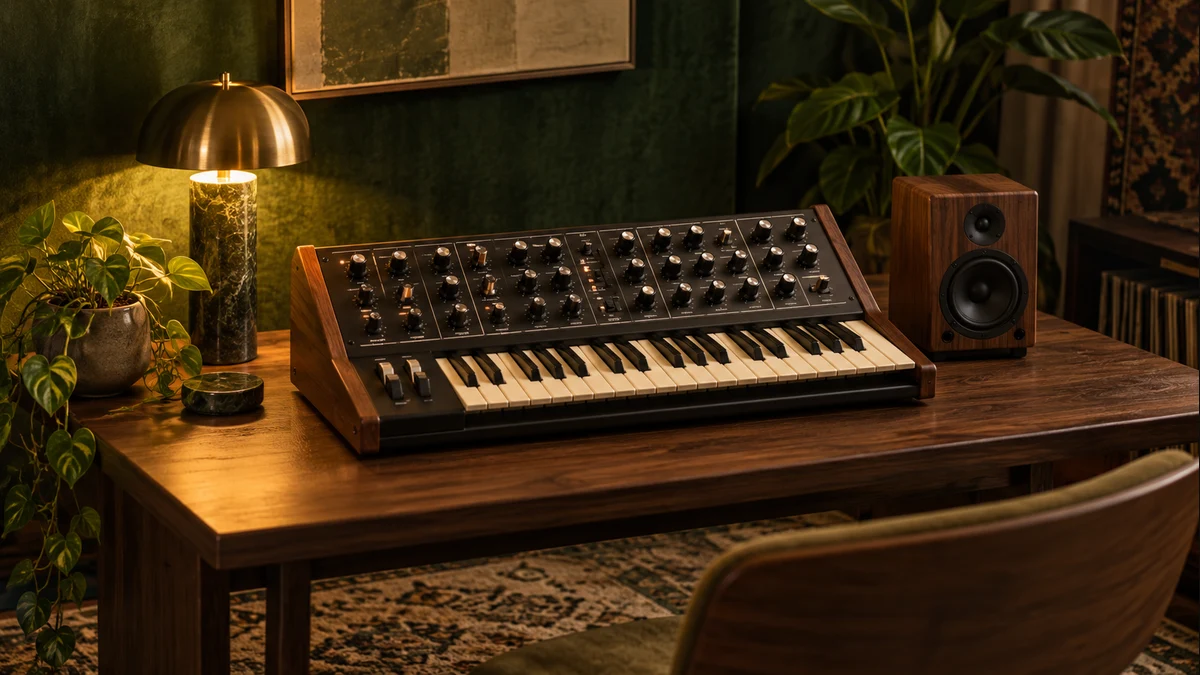
The same attention helps with house and techno. A pad can change the sense of scale without changing the drum pattern. A long release can soften a transition, while a sudden dry note can bring the focus forward. Try adding one sustained tone behind a beat, then mute it. If its absence changes the room you imagine, it was doing useful work. Ambient techniques are valuable tools even in music with a strong pulse.
Further exploration
For a technical explanation of browser sound generation, see the MDN Web Audio API documentation. These field notes are practical listening exercises, not a comprehensive history or rigid definition of a genre.
Technical background
- MDN: DelayNode — Delay time and audio signal routing.
- Ableton Live manual: mixing — Send/return routing and feedback.
Original 51ROUSI editorial content. How we write and review · Suggest a correction